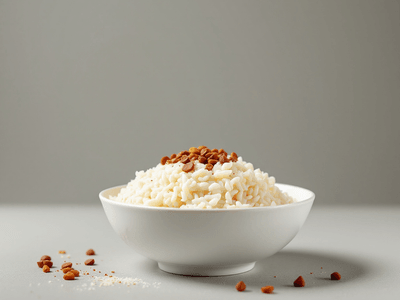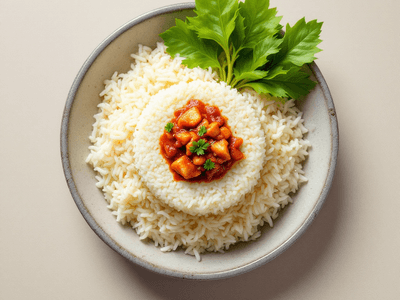
Nasi Lemak with Sambal Ikan Bilis
Malaysian • Vegetarian
How to Make Nasi Lemak with Sambal Ikan Bilis (Traditional & Healthy Version)
Nasi Lemak with Sambal Ikan Bilis is a beloved Malaysian breakfast dish, cherished for its aromatic coconut rice, spicy sambal, and crunchy ikan bilis (anchovies). Originating from the Malay community, nasi lemak is often considered Malaysia’s national dish and is enjoyed by people of all backgrounds, reflecting the country’s multicultural cuisine. The combination of rice cooked with santan (coconut milk), fragrant pandan leaves, and lemongrass creates a rich, creamy base, while the sambal adds a fiery kick and depth of flavor. Traditionally served with eggs, peanuts, cucumber, and sometimes fried chicken, this vegetarian-friendly version highlights local ingredients and stays true to the authentic taste of Malaysia. The dish is a staple in Malaysian homes and eateries, often eaten for breakfast but equally enjoyed at lunch or dinner. Its balanced flavors—creamy, spicy, savory, and a hint of sweetness—make it a comfort food for many. Nasi Lemak showcases the harmony of Malaysia’s culinary heritage, blending Malay, Chinese, and Indian influences. Using wholesome, locally sourced ingredients, this health-conscious version ensures you get the full experience without compromising on nutrition. Perfect for those tracking calories, this recipe offers all the traditional flavors in a lighter, vegetarian package.
Ingredients(for 1 standard Malaysian plate per serving)
- 1 cup Beras (rice) (preferably long-grain or basmati)
- 1/2 cup Santan (light coconut milk) (use light santan for lower calories)
- 2 leaves Pandan leaves (tied into a knot)
- 1 stalk Lemongrass (bruised)
- 1/2 tsp Salt
- 1/4 cup Ikan bilis (dried anchovies) (vegetarian version: use plant-based anchovies or omit) - optional
- 2 tbsp Peanuts (toasted, unsalted)
- 1/2 Cucumber (sliced)
- 1/4 Red onion (sliced for sambal)
- 2 cloves Garlic (chopped)
- 2 Red chili (deseeded for less heat)
- 1 tsp Tamarind paste (asam jawa)
- 1 tsp Brown sugar
- 1 tsp Oil (preferably canola or sunflower)
Instructions
- 1
Rinse the beras (rice) until water runs clear. In a pot, combine rice, santan, pandan leaves, lemongrass, and salt. Add 1 cup water. Cook over medium heat until rice is fluffy and aromatic.
15 minutes
Use a rice cooker for consistent texture.
- 2
Prepare the sambal by blending red onion, garlic, and red chili into a paste.
5 minutes
Remove chili seeds for milder sambal.
- 3
Heat oil in a pan. Sauté the blended paste until fragrant. Add tamarind paste and brown sugar. Stir well and cook until sambal thickens.
5 minutes
Simmer sambal longer for deeper flavors.
- 4
For vegetarian sambal, toast peanuts and plant-based anchovies (or omit anchovies). Add to sambal and mix well.
2 minutes
Use non-stick pan to reduce oil usage.
Why This Dish is Healthy
This healthy Nasi Lemak with Sambal Ikan Bilis is calorie-smart thanks to reduced coconut milk and minimal oil. It incorporates plant-based protein and nutrient-rich vegetables, making it an excellent choice for balanced nutrition. By using fresh, local ingredients and omitting deep-fried components, the dish supports weight management and heart health, fitting seamlessly into a calorie tracking lifestyle.
Nasi Lemak, when prepared with light santan and reduced oil, offers a wholesome balance of carbohydrates from rice, healthy fats from coconut milk and peanuts, and vitamins from cucumber and aromatics. Anchovies add protein, calcium, and omega-3 fatty acids. The sambal provides antioxidants from chili and garlic. This vegetarian adaptation lowers saturated fat and cholesterol, making it suitable for most diets. The dish is rich in B vitamins, potassium, and fiber for digestive health.
Pro Tips
- 💡Tip 1: Use fresh pandan leaves for maximum aroma.
- 💡Tip 2: Cook rice with lemongrass for extra depth of flavor.
- 💡Tip 3: Prepare sambal a day ahead to allow flavors to develop.
Storage & Serving
Store leftovers in airtight containers in the fridge for up to 2 days. Reheat rice and sambal separately for best texture. Cucumber and garnishes should be added fresh before serving.
Best served: Breakfast or Lunch
Nutrition Facts
| Nutrient | Per 100g |
|---|---|
| Energy | 650.0 kcal |