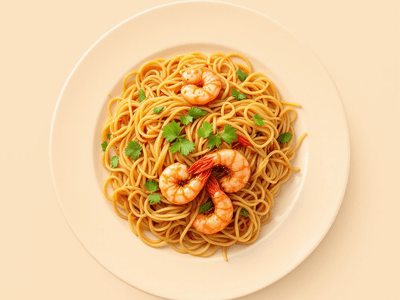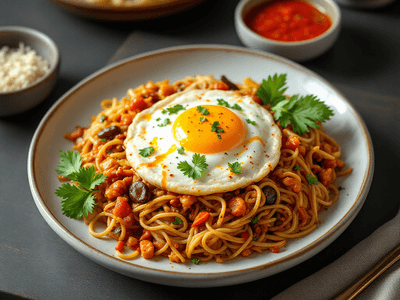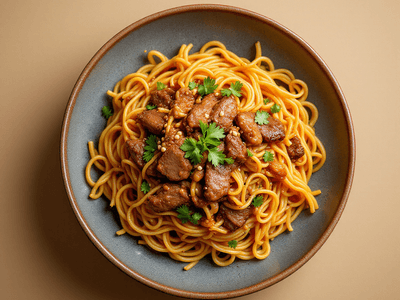
Beef Mi Goreng
Southeast Asia • non_veg
How to Make Beef Mi Goreng (Traditional & Healthy Version)
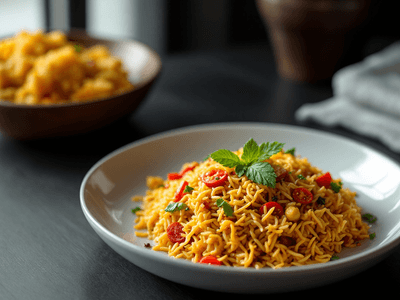
Beef Mi Goreng is a beloved Malaysian stir-fried noodle dish that exemplifies the rich multicultural tapestry of Malaysia’s cuisine. Drawing influences from Malay, Chinese, and Indian communities, this dish features springy yellow noodles (mee kuning) tossed with tender strips of beef, fresh vegetables, and a flavorful blend of homemade sauces. Traditionally enjoyed as a hearty lunch, Beef Mi Goreng offers a harmonious balance of sweet, spicy, and savory notes, thanks to ingredients like kicap manis (sweet soy sauce), cili padi (bird’s eye chili), and a touch of lime. What makes Malaysian Beef Mi Goreng special is its adaptability to local tastes and the creative use of indigenous ingredients such as taugeh (bean sprouts), daun bawang (spring onions), and even aromatic hints of pandan or lemongrass. The addition of lean beef provides a protein boost, while the medley of vegetables adds texture and nutrients. Whether savored at a bustling mamak (hawker) stall or prepared at home, Beef Mi Goreng is a satisfying meal that captures the true essence of Malaysia’s street food culture. This healthy adaptation ensures you get all the authentic flavors with a lighter, balanced nutritional profile, making it a smart choice for anyone mindful of their calories.
Ingredients(for 1 bowl (about 350g cooked per serving))
- 150g Lean beef sirloin (Sliced thinly)
- 200g Mee kuning (yellow noodles) (Fresh, rinsed)
- 1 tablespoon Soy sauce (Kicap masin)
- 1 tablespoon Sweet soy sauce (Kicap manis)
- 2 cloves Garlic (Minced)
- 1 Red chili (Sliced, cili merah)
- 1 cup Bean sprouts (Taugeh, washed)
- 1 small Carrot (Julienned)
- 2 stalks Spring onions (Daun bawang, sliced)
- 1 Egg (Lightly beaten) - optional
- 1/2 Lime (For serving) - optional
- 1 tablespoon Cooking oil (Preferably canola or sunflower)
- 1 stalk Lemongrass (Crushed (optional, for aroma)) - optional
Instructions
- 1
Marinate sliced beef with 1/2 tablespoon soy sauce and a pinch of pepper for 10 minutes.
10 minutes
Use lean cuts to reduce fat and improve tenderness.
- 2
Heat oil in a wok over medium-high heat. Add garlic and lemongrass, sauté until fragrant.
2 minutes
Do not burn the garlic; it should be aromatic but not brown.
- 3
Add marinated beef to the wok and stir-fry until just cooked, about 2-3 minutes.
3 minutes
Cook the beef in small batches to prevent steaming.
- 4
Push beef aside, add beaten egg (if using), and scramble until just set.
1 minute
Egg adds protein and texture but can be omitted for a lighter dish.
Why This Dish is Healthy
Choosing lean beef and plenty of fresh vegetables transforms traditional Beef Mi Goreng into a balanced, nutrient-dense meal perfect for calorie-conscious eaters. Limiting oil and sugar, while increasing fiber and protein, helps keep you fuller for longer and stabilizes blood sugar. This makes it an excellent option for those seeking a healthier version of a classic Malaysian favorite, without sacrificing authentic flavor.
This healthy Beef Mi Goreng recipe is rich in high-quality protein from lean beef, which supports muscle repair and satiety. The dish contains a variety of vegetables like bean sprouts, carrots, and spring onions, offering dietary fiber, vitamin A, vitamin C, and essential minerals such as potassium and iron. Using minimal oil and opting for lean cuts of beef helps control saturated fat content, while the noodles supply complex carbohydrates for energy. The addition of lime provides a vitamin C boost, and incorporating fresh aromatics like lemongrass adds antioxidants without extra calories.
Pro Tips
- 💡Tip 1: Use freshly rinsed mee kuning for best texture and flavor.
- 💡Tip 2: Marinate the beef ahead for extra tenderness and depth.
- 💡Tip 3: Add a dash of water when stir-frying to avoid the noodles sticking and clumping.
Storage & Serving
Store leftovers in an airtight container in the refrigerator for up to 2 days. Reheat in a wok or microwave, adding a splash of water to prevent dryness. Not suitable for freezing due to noodle texture.
Best served: Breakfast or Lunch
Nutrition Facts
| Nutrient | Per 100g |
|---|---|
| Energy | 470.0 kcal |