Nasi Lemak with Egg
Malaysian • Non-Vegetarian
How to Make Nasi Lemak with Egg (Traditional & Healthy Version)
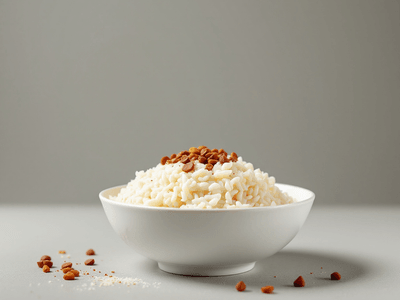
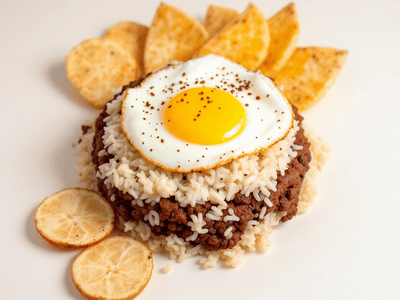
Nasi Lemak with Egg is a delightful and aromatic rice-based breakfast dish that brings together steamed coconut rice, spicy sambal, roasted peanuts, cucumber slices, and a perfectly cooked boiled egg. While Nasi Lemak traditionally hails from Malaysia, its flavors and ingredients are closely related to many Indian South Indian and coastal preparations, especially in regions like Kerala and Tamil Nadu where coconut and rice are staple ingredients. The use of coconut milk, fresh curry leaves, and flavorful sambal connects deeply with Indian culinary traditions. In India, this recipe finds its place as a healthy, wholesome, and satisfying morning meal, often enjoyed during special occasions or festive mornings. The combination of soft, fragrant rice with crisp peanuts and spicy chutney creates a symphony of textures and flavors. Perfect for those seeking vegetarian breakfasts, Nasi Lemak with Egg can easily be adapted for Indian kitchens using local ingredients like jeera (cumin), kari patta (curry leaves), and nariyal doodh (coconut milk). This dish is a great way to start your day, providing balanced nutrition and a burst of energy, especially during festivals or family gatherings.
Ingredients(for 1 medium plate (approx. 250g) per serving)
- 1 cup Basmati rice (chawal)
- 3/4 cup Coconut milk (nariyal doodh)
- 1 cup Water
- 2 Boiled eggs (anda, hard-boiled)
- 10-12 Curry leaves (kari patta)
- 1 small Onion (finely sliced)
- 1/2 tsp Red chili powder (lal mirch)
- 1/4 tsp Turmeric powder (haldi)
- 2 tbsp Roasted peanuts (moongphali)
- 1/2 small Cucumber (thinly sliced)
- to taste Salt (namak)
- 1 tbsp Oil (coconut or sunflower)
- 1 tsp Ginger-garlic paste (adrak-lahsun paste)
Instructions
- 1
Rinse the basmati rice thoroughly in water and soak for 10 minutes. Drain and set aside.
10 minutes
Soaking rice helps achieve fluffy, separate grains.
- 2
In a heavy-bottomed pan, heat 1/2 tbsp oil, add curry leaves and half the sliced onion. Sauté until translucent.
3 minutes
Do not brown the onions; just sweat them for aroma.
- 3
Add soaked rice and gently fry for a minute. Pour in coconut milk and water. Add salt. Cover and cook on low heat until rice is cooked and fluffy.
12 minutes
Keep the flame low to avoid burning the coconut milk.
- 4
Prepare sambal: Heat remaining oil in a small pan, add remaining onion, ginger-garlic paste, red chili powder, turmeric, and a pinch of salt. Sauté until fragrant.
5 minutes
Adjust chili for desired spice level.
Why This Dish is Healthy
This Nasi Lemak with Egg recipe is a healthy choice because it uses steamed rice, boiled eggs, and fresh vegetables, minimizing the use of oil and processed ingredients. The inclusion of coconut milk adds good fats, while peanuts offer plant-based protein and fiber. By avoiding deep-frying and using wholesome, local ingredients, this meal supports weight management, heart health, and sustained energy levels.
Nasi Lemak with Egg is a balanced vegetarian meal, rich in complex carbohydrates from rice, healthy fats from coconut milk, and protein from eggs and peanuts. It offers vitamins such as B6 and B12 from eggs, fiber from cucumber and peanuts, and essential minerals like magnesium and potassium. Using minimal oil and including fresh vegetables makes this dish low in saturated fat and high in micronutrients.
Pro Tips
- 💡Tip 1: Use freshly extracted coconut milk for authentic flavor.
- 💡Tip 2: Always cook rice on low heat to avoid sticking.
- 💡Tip 3: Add a squeeze of fresh lemon for a subtle tang just before serving.
Storage & Serving
Store leftover rice in an airtight container in the refrigerator for up to 2 days. Reheat gently with a sprinkle of water to restore moisture. Sambal can be refrigerated separately. Best consumed fresh.
Best served: Breakfast or Lunch
Nutrition Facts
| Nutrient | Per 100g |
|---|---|
| Energy | 500.0 kcal |