Nasi Lemak with Anchovies and Peanuts
Malaysian • Jain
How to Make Nasi Lemak with Anchovies and Peanuts (Traditional & Healthy Version)
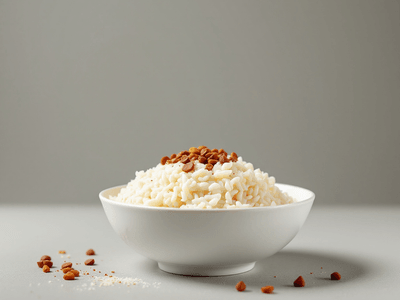
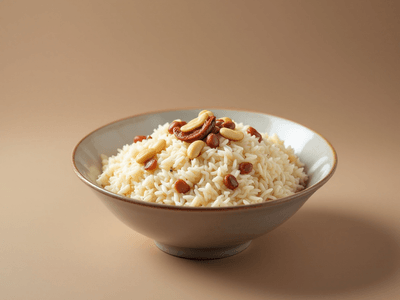
Nasi Lemak with Anchovies and Peanuts is Malaysia’s iconic breakfast dish, beloved across the nation for its harmonious blend of flavors and textures. Traditionally enjoyed in the morning, this meal features fragrant rice cooked in santan (coconut milk) and pandan leaves, paired with crispy ikan bilis (anchovies), roasted kacang tanah (peanuts), hard-boiled eggs, and a spicy, aromatic sambal. The combination of creamy rice, crunchy toppings, and fiery sambal is simultaneously comforting and invigorating, making it a staple in Malaysian homes and roadside stalls alike. Rooted in the multicultural tapestry of Malaysia, Nasi Lemak is enjoyed by Malays, Chinese, and Indian communities, each adding their own tweaks while respecting its essence. The use of local ingredients like pandan, lemongrass, and fresh cucumbers reflects Malaysia’s rich agricultural heritage. This healthy, vegetarian-adaptable version maintains all the authentic taste and texture of the classic, while being mindful of calories and healthy fats. It’s an ideal introduction to Malaysian cuisine’s depth and balance, as well as a celebration of its diversity and communal spirit.
Ingredients(for 1 complete plate with rice, anchovies, peanuts, egg, sambal, and cucumber)
- 1 cup White rice (preferably Basmati or low-GI rice)
- 1/3 cup Santan (coconut milk) (light coconut milk for lower calories)
- 2 leaves Pandan leaves (tied in a knot)
- 1/2 tsp Salt
- 1/4 cup Ikan bilis (dried anchovies) (rinsed and drained)
- 1/4 cup Kacang tanah (peanuts) (skinless, unsalted)
- 2 Eggs (hard-boiled)
- 1/2 Cucumber (thinly sliced)
- 1/2 Red onion (thinly sliced for garnish) - optional
- 1/4 cup Sambal (homemade or store-bought, vegetarian) (see instructions)
Instructions
- 1
Prepare the rice: Rinse rice until water runs clear. Combine rice, santan, pandan leaves, salt, and 1 cup water in a rice cooker or pot. Cook until fluffy and fragrant.
15 minutes
Use light coconut milk and a mix of water to lower fat content.
- 2
Roast the peanuts: Dry roast kacang tanah in a non-stick pan over low heat until golden and aromatic. Set aside.
5 minutes
Stir constantly to prevent burning.
- 3
Crisp the anchovies: In the same pan, add ikan bilis and toast over medium-low heat until crispy. Drain on paper towels.
5 minutes
Avoid deep frying; dry toasting cuts excess oil.
- 4
Boil the eggs: Place eggs in a saucepan, cover with water, bring to a boil, then simmer 8 minutes. Cool, peel, and halve.
8 minutes
Older eggs peel more easily than fresh ones.
Why This Dish is Healthy
Choosing a lighter coconut milk, roasting rather than frying, and using whole, unprocessed ingredients makes this Nasi Lemak a heart-healthy, nutrient-dense meal. It supports satiety and energy without excessive calories or unhealthy fats. The variety of toppings ensures a good balance of protein, healthy fats, and fiber, making it an excellent choice for weight management and sustained energy throughout the morning.
This Nasi Lemak recipe is rich in plant-based protein from peanuts and anchovies, healthy fats from light santan, and complex carbohydrates from rice. The inclusion of cucumber adds fiber, vitamins, and hydration. Eggs provide essential amino acids and minerals like selenium, while the sambal offers antioxidant-rich chilies. By using less coconut milk and dry roasting instead of deep frying, this version is lower in saturated fat and calories, making it suitable for a balanced diet.
Pro Tips
- 💡Tip 1: Wash rice thoroughly to achieve a light, fluffy texture.
- 💡Tip 2: Use fresh pandan leaves for the most aromatic rice.
- 💡Tip 3: Make sambal in advance and store in the fridge for convenient meal prep.
Storage & Serving
Store leftover rice and toppings separately in airtight containers in the refrigerator for up to 2 days. Reheat rice gently in the microwave or steamer. Sambal keeps well refrigerated for up to 1 week.
Best served: Breakfast or Lunch
Nutrition Facts
| Nutrient | Per 100g |
|---|---|
| Energy | 650.0 kcal |